




187 New hotels to open in the Middle East by 2027
Saudi Arabia accounts for more than half of the total pipeline
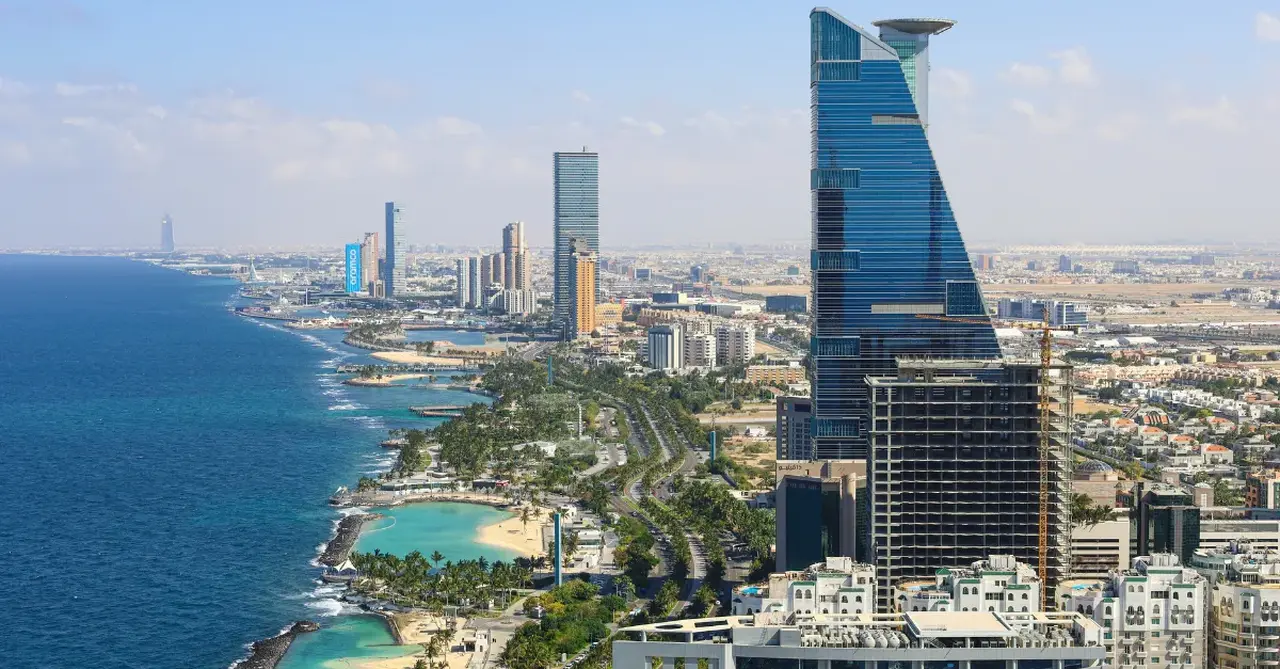
The Middle East’s hotel construction pipeline hit an all-time high at the close of Q4 2025, setting the stage for 187 new hotel openings by the end of 2027, according to the latest data from Lodging Econometrics (LE). Saudi Arabia is out in front, accounting for more than half of all projects in the region’s record pipeline.
In total, the Middle East now has 710 hotel projects with 176,402 rooms in development, marking a 13% rise in rooms versus Q4 2024. Of these, 36 hotels with 10,104 rooms opened in 2025, with a further 93 hotels (18,511 rooms) expected to open in 2026 and 94 hotels (19,654 rooms) in 2027, signalling a steady uplift in regional room supply over the next two years.
Saudi leads the region by a significant margin, accounting for more than half of the Middle East’s total pipeline, with a record 394 projects and 106,521 rooms, up 25% and 28% year-on-year, respectively. This development is concentrated in key destinations, with Riyadh, Jeddah and Makkah all posting record or near-record pipelines fuelled by large-scale tourism initiatives.
RELATED:
Saudi Arabia to add 94,500 hotel rooms amid luxury pipeline growth
UAE’s Rove Hotels signs deal for Oman debut
Saudi Arabia to double tourism GDP as sector grows to 5%
Riyadh has the largest city pipeline in the Middle East, with 107 projects and 20,936 rooms in development. Jeddah follows with 63 projects (14,358 rooms), while Makkah has 35 projects (22,829 rooms), underscoring strong religious tourism and long-stay demand.
Wider Middle East markets build momentum
Beyond Saudi Arabia, Egypt reached record highs with 140 projects and 31,104 rooms, up 17% in project count, while the UAE holds 104 projects and 25,459 rooms in its pipeline, reflecting continued diversification across key hubs such as Dubai and Abu Dhabi.
Oman follows with 28 projects (4,789 rooms) and Qatar with 11 projects (2,170 rooms), as secondary markets build out product to support leisure, adventure and business travel segments.
You have viewed both of your 2 free articles this month as an unregistered user
To continue reading, please register with Connecting Travel free of charge, or if you have already registered click here to login
Trending




Latest

Related Content



Jacobs Media is a company registered in England and Wales, company number 08713328. 3rd Floor, 52 Grosvenor Gardens, London SW1W 0AU
© 2025 Jacobs Media

