




UAE plans up to 300 flights as safe corridors reopen
Government relief aims to move 27,000 stranded passengers in next phase

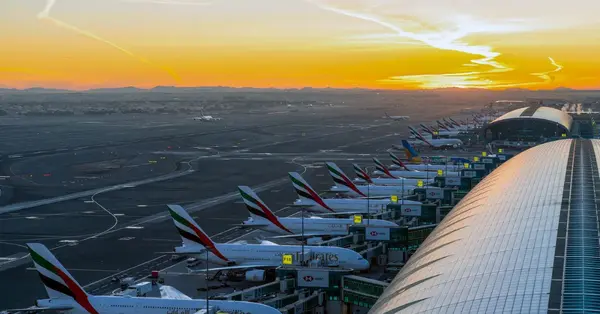
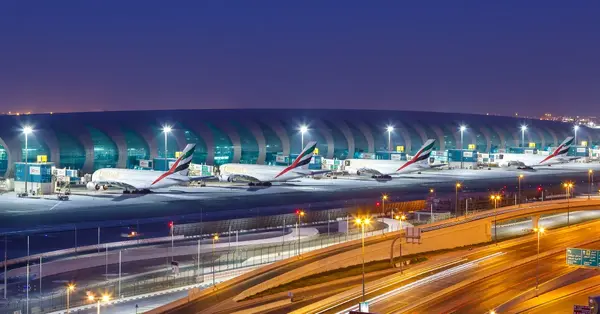
The UAE has revealed plans to operate between 200 to 300 repatriation flights via national carriers to assist up to 45,000 stranded travellers as it begins a phased reopening of airspace following Iranian strikes across the region, officials said on Tuesday, 3 March.
Speaking during a government media briefing, Abdulla bin Touq Al Marri, Minister of Economy and Tourism, said the UAE had opened safe emergency air corridors in coordination with other Gulf countries and the International Civil Aviation Organisation. Under current emergency arrangements, the UAE can handle up to 48 flights per hour, with that capacity expected to increase “at a later stage” based on ongoing security assessments, he added.
Limited operations have already resumed in stages to facilitate the return of citizens and residents, with 17,498 passengers travelling on 60 flights between 1 and 3 March, Al Marri said. In the next phase, authorities are preparing to operate more than 80 flights per day, accommodating around 27,000 passengers.
He added that the UAE government has pledged to cover accommodation and meal expenses for stranded tourists until regular flight operations resume, ensuring access to housing, food and necessary visa arrangements. Al Marri urged affected passengers to avoid travelling to airports unless contacted directly by their airlines.
RELATED:
Gulf flight suspensions: latest updates – Tuesday 3 March
Travel to the Middle East: what agents need to know
UAE to cover costs for stranded travellers amid flight disruptions
Flight disruptions and airline response
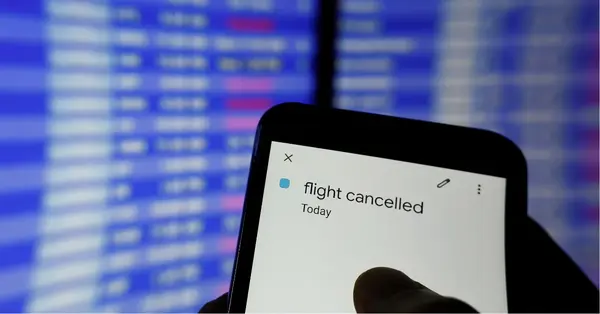
Airspace across the UAE and parts of the wider region was closed on 28 February after Iran launched retaliatory strikes on US bases across the Gulf, prompting widespread airspace restrictions. Data from aviation analytics company Cirium indicates that 32,000 flights had been scheduled to arrive or depart from the Middle East since the latest escalation began, with around 19,000 subsequently cancelled.
Flight disruptions in the region remain significant but are slowly easing. On 3 March, cancellations across the Middle East stood at around half (48%) of scheduled services, down from 55% earlier in the week. Current figures show Bahrain at 100% cancellation, Qatar at 98%, and the UAE at 76%, compared with 20% in Saudi Arabia.
UAE carriers Emirates, Etihad, Flydubai and Air Arabia have suspended most regular operations until at least 4 or 5 March but continue to run select repatriation services prioritising stranded passengers. These services resumed on the evening of 2 March, with Emirates operating six flights from Dubai to destinations including London and Paris, and Etihad operating 15 passenger flights within a three-hour window from Abu Dhabi.
Emirates, Etihad and Air Arabia have said they have suspended operations until Wednesday 4 March, at 23:59, 14:00 and 15:00, respectively. Click here for the latest Gulf flight suspensions and alerts.
For more information, visit moet.gov.ae
You have viewed both of your 2 free articles this month as an unregistered user
To continue reading, please register with Connecting Travel free of charge, or if you have already registered click here to login
Trending








Latest


Related Content





Jacobs Media is a company registered in England and Wales, company number 08713328. 3rd Floor, 52 Grosvenor Gardens, London SW1W 0AU
© 2025 Jacobs Media

