




You are viewing 1 of your 2 free articles
GCC air travel recovery accelerates in late March
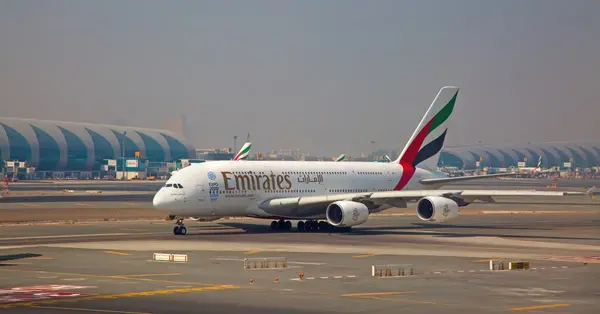
UAE-based Emirates leads the rebound operating 350 flights a day
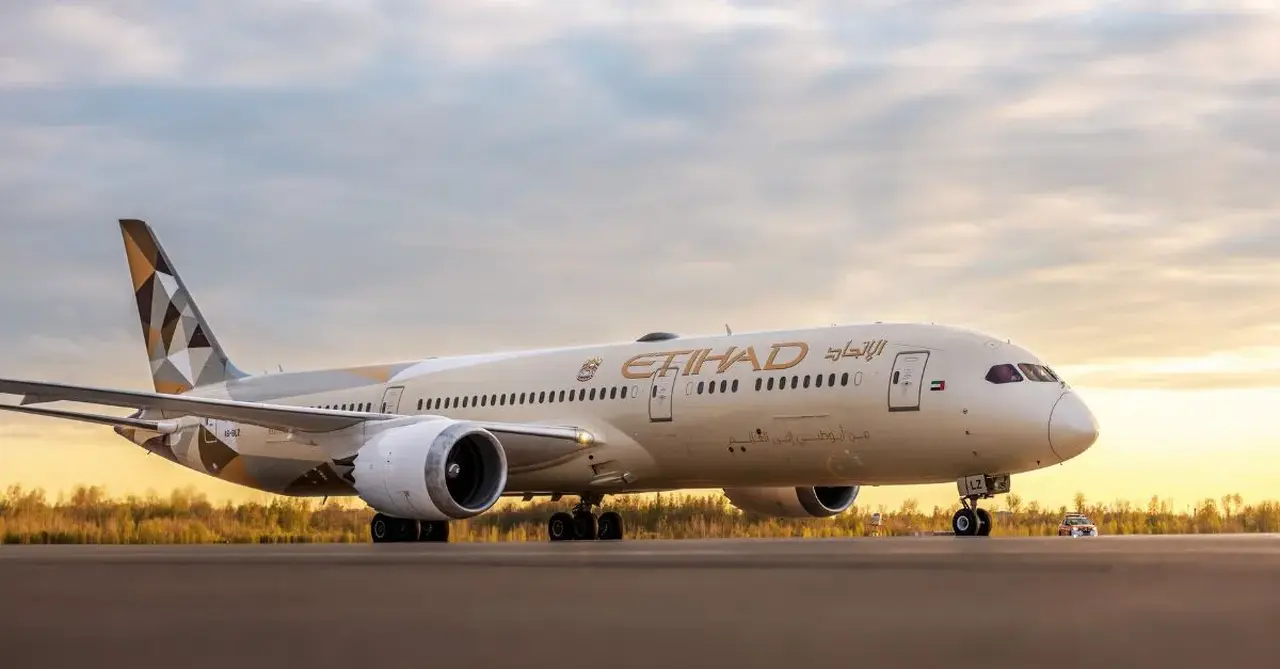
Over the past month, GCC air travel has faced major disruption due to the ongoing US-Israel-Iran conflict, but local airlines are gradually resuming operations and increasing flights.
Among the UAE carriers, Emirates is making the strongest comeback, averaging around 350 flights a day in late March, according to Flightradar24. Meanwhile, Air Arabia and Flydubai are operating 100 to 120 flights daily, with Etihad now approaching 200.
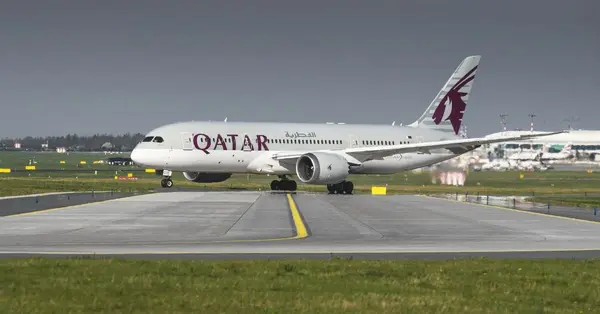
Despite Qatar reopening its airspace later than the UAE, its flag carrier, Qatar Airways, is also steadily increasing operations, surpassing 100 flights a day since 18 March.
RELATED:
Etihad and Qatar Airways ease loyalty programme requirements
Emirates introduces pet relocation support for UAE travellers
Saudia adopts Google tech for smarter baggage tracking
These figures mark a significant recovery from the initial days of the conflict, with Emirates operating just 24 flights on 1 March. However, Emirates and Qatar Airways are still operating below their pre-war averages of more than 500 daily flights.
Currently, the GCC’s three leading airlines – Emirates, Etihad, and Qatar Airways – are operating to around 80 to 90 destinations worldwide, but some cancellations and delays still persist, including a recent wave of disruptions due to unstable weather in the region.
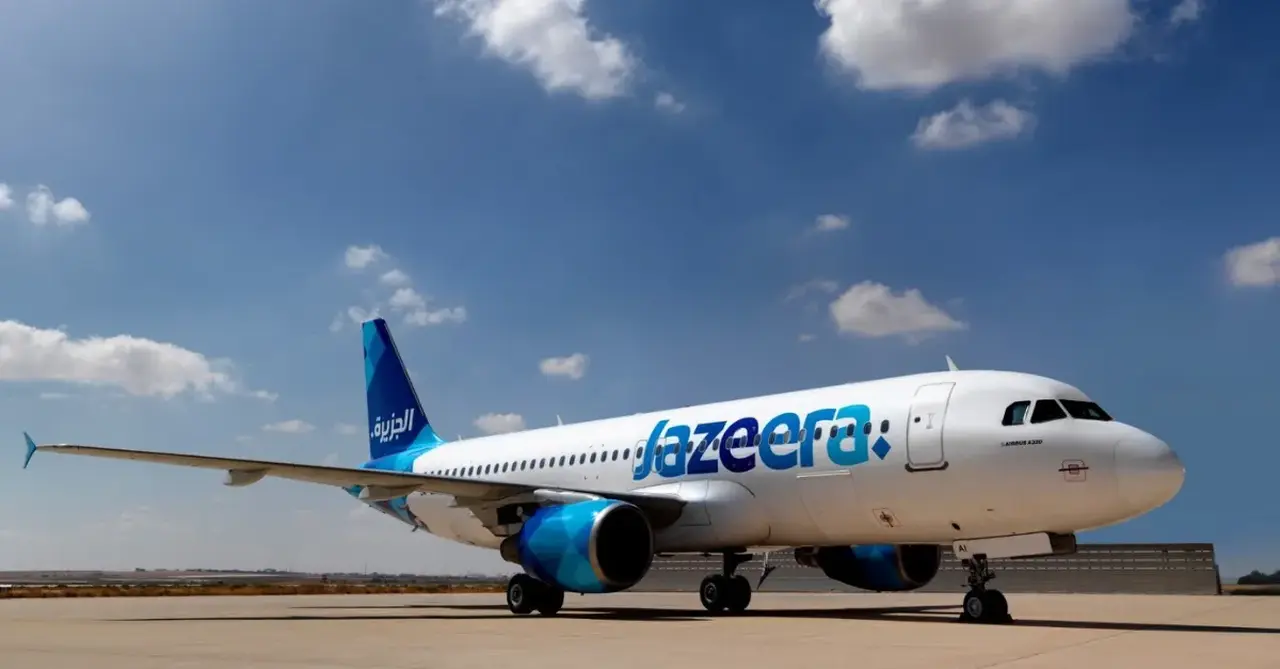
Kuwait and Bahrain are also resuming many flights, despite airspace closures, by operating from bases in neighbouring Saudi Arabia. Kuwait’s Jazeera Airways is operating from Saudi’s Qaisumah Airport (AQI) and Dammam’s King Fahd International Airport. The airline plans to operate more than 1,000 flights to 20 destinations including Jeddah, Cairo, Mumbai, Kathmandu and Karachi, until 30 April 2026. Bus services for land border crossings between Saudi and Kuwait are provided to passengers.
Similarly, Bahrain’s national carrier, Gulf Air, is also temporarily offering flights from Dammam’s King Fahd International Airport to hubs including Chennai, Nairobi, Bangkok and Manila until the end of April, with ground transportation included.
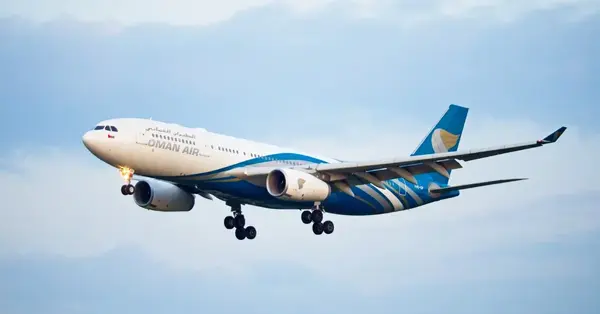
Oman and Saudi Arabia continue to serve as safe air corridors during the conflict, particularly for international carriers, such as British Airways, Finnair, Cathay Pacific and Air Canada, which have connecting flights stopping in the region.
For more aviation news, visit connectingtravel.com/news/aviation






Latest









Jacobs Media is a company registered in England and Wales, company number 08713328. 3rd Floor, 52 Grosvenor Gardens, London SW1W 0AU
© 2025 Jacobs Media

