




You are viewing 2 of your 2 free articles
Cruise leaders see “phenomenal potential” for Middle East growth
Industry calls for deeper collaboration across GCC at Tourise event in Riyadh
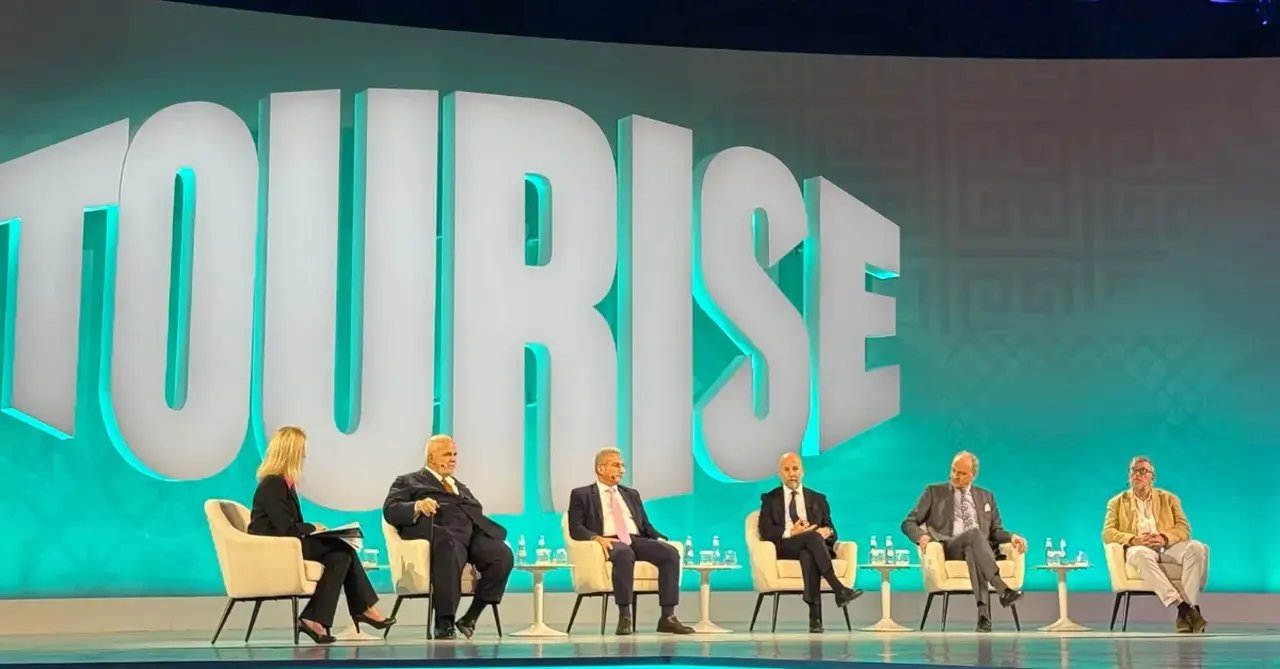
Cruise industry leaders have called for greater collaboration across the Middle East to harness what they describe as the region’s “phenomenal potential” during a panel discussion at the Tourise event in Riyadh, Saudi Arabia in November 2025.
Featuring senior executives from operators including Celestyal Cruises and Cruise Saudi, the discussion brought together influential industry voices to address the challenges, progress and prospects shaping the regional cruise landscape.
Manfredi Lefebvre, Co-Chair of Abercrombie & Kent (owners of Crystal Cruises) and Chairman of the World Travel & Tourism Council (WTTC), drew on more than five decades in the sector to reflect on its evolution. “The Middle East region can offer a wide variety of opportunities,” he noted, adding that the diversity of destinations makes it “ideally suited” for cruising.
RELATED:
Dubai cruise summit maps strategies to inspire Middle East markets
How the Middle East can become the next global cruise hub
Introducing the 2025 Cruise Insight Report
Regional Alignment Required
Speakers agreed that deeper regional alignment remains critical to attracting cruise lines and sustaining growth, while noting there have been improvements.
After a successful trial season in the Middle East last year, Celestyal is returning with two ships for a full season. Chris Theophilides, CEO of Celestyal, underlined the momentum: “Regional harmonisation has improved and we find this region is now miles ahead in facilitating cruise operations.”
“There’s phenomenal potential here, with the right mindset, ambitious strategies and the variety of destinations that are perfect for cruising,” he added.
With global cruise demand forecast to reach 35 million passengers by 2026 – and the Middle East still accounting for less than 1% of that total – the region stands at the threshold of major potential growth. Its strategic location between Europe and Asia, combined with a fast-evolving tourism sector, positions both the Arabian Gulf and Red Sea for future success.
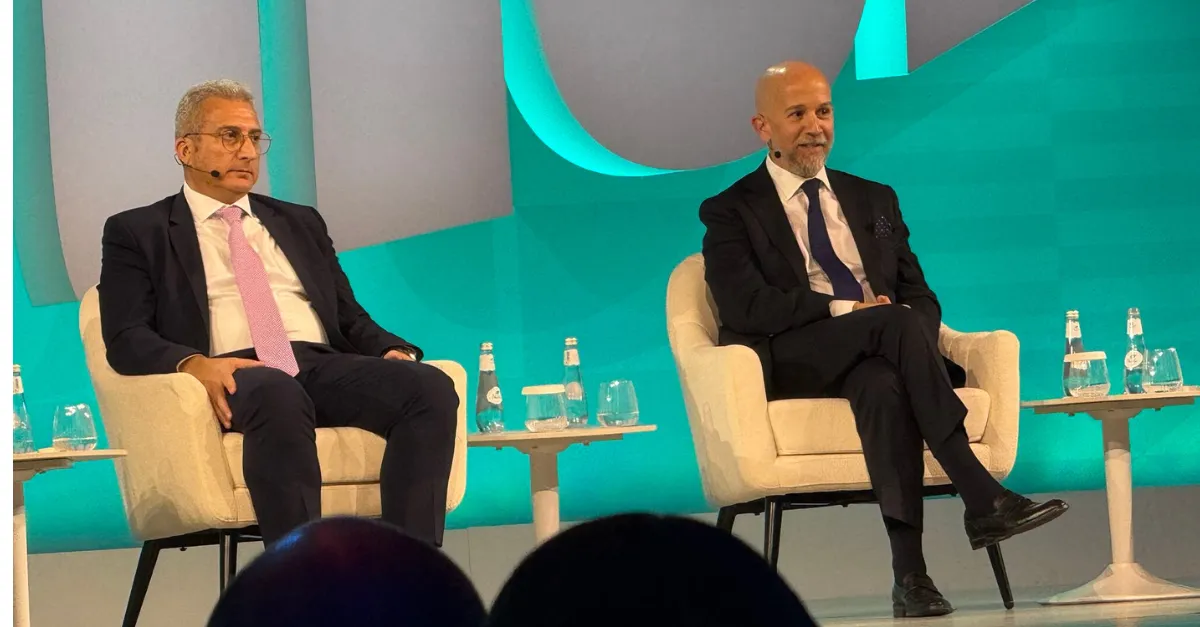
Cruise Saudi CEO Lars Clasen emphasised that further streamlining of immigration and ship clearance processes is needed to enhance the traveller experience.
“To make this an attractive region for cruise lines, we must create connections with neighbouring countries, from the Red Sea nations of Jordan and Egypt to GCC states like the UAE, Oman and Qatar,” he said.
Saudi’s recent accession to the Cruise Arabia Alliance, bringing the partnership to six destinations, reflects a shared goal to promote the region as an integrated offer: “What cruise lines want is to come to the entire region, not just one or two countries.”
This shift from regional competition to collective branding aims to position the GCC against established cruise markets such as the Mediterranean and Caribbean. More than US$1 billion has already been invested in infrastructure, including new terminals in Jeddah, Dammam and Doha. The Gulf now welcomes around 1.3 million cruise visitors annually, as it targets a much larger market share as capacity and connectivity expand.
These regional investments and partnerships are redefining the cruise experience, making longer, more immersive itineraries both possible and appealing.
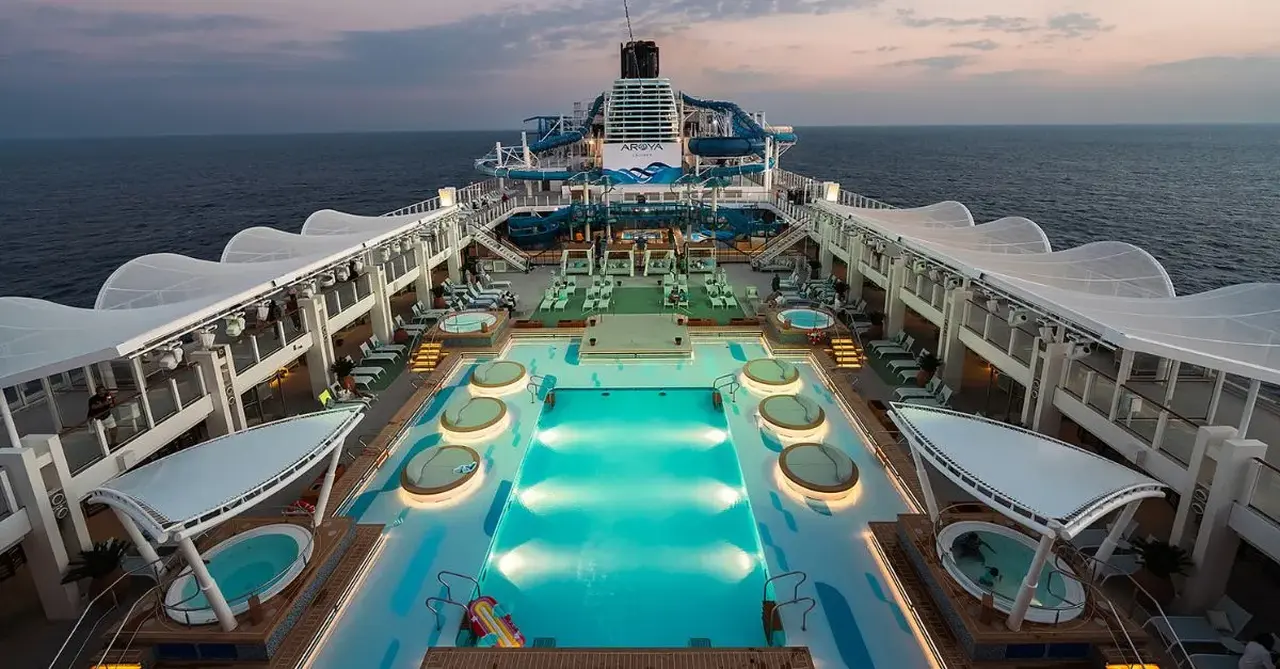
Designing Domestic Itineraries
Lefebvre said the proximity to Europe and the region’s wealth of attractions make week-long cruises an ideal proposition. “There is just so much variety here, which is necessary for a strong cruise product,” he said. “Plus, it’s only five hours from most of Europe and there’s little time difference, so no jet lag. Passengers can fly from Europe, enjoy a five- to seven-day cruise, and return home without jet lag, an ideal formula for regional cruising.”
Echoing this, Theophilides cited remarks from the UAE’s Minister of Tourism, noting the region’s ambition to extend typical visitor stays from three or four days to seven days. “A cruise is seven days, so it leads into that strategy very strongly,” he observed.
Looking ahead, all panellists agreed that cruising globally has moved beyond mere transportation, increasingly emphasising curated travel experiences shaped by both destination variety and guest expectations.
JD O’Hara, CEO of Internova Travel Group, added that innovation and human expertise are transforming the cruise experience “from AI-powered personalisation and stronger destination partnerships to sustainable growth that benefits local communities”.
He summed up: “The future of cruising is about connection – between people, places and purpose.”
Clasen concluded: “At Cruise Saudi, we’re not just building a cruise line; we’re curating journeys that connect people, culture and coastlines.”
For more information, visit tourise.com
Trending







Jacobs Media is a company registered in England and Wales, company number 08713328. 3rd Floor, 52 Grosvenor Gardens, London SW1W 0AU
© 2025 Jacobs Media

