




European airlines brace for jet fuel shortage due to Gulf conflict
IAE warns of only six weeks’ supply remaining
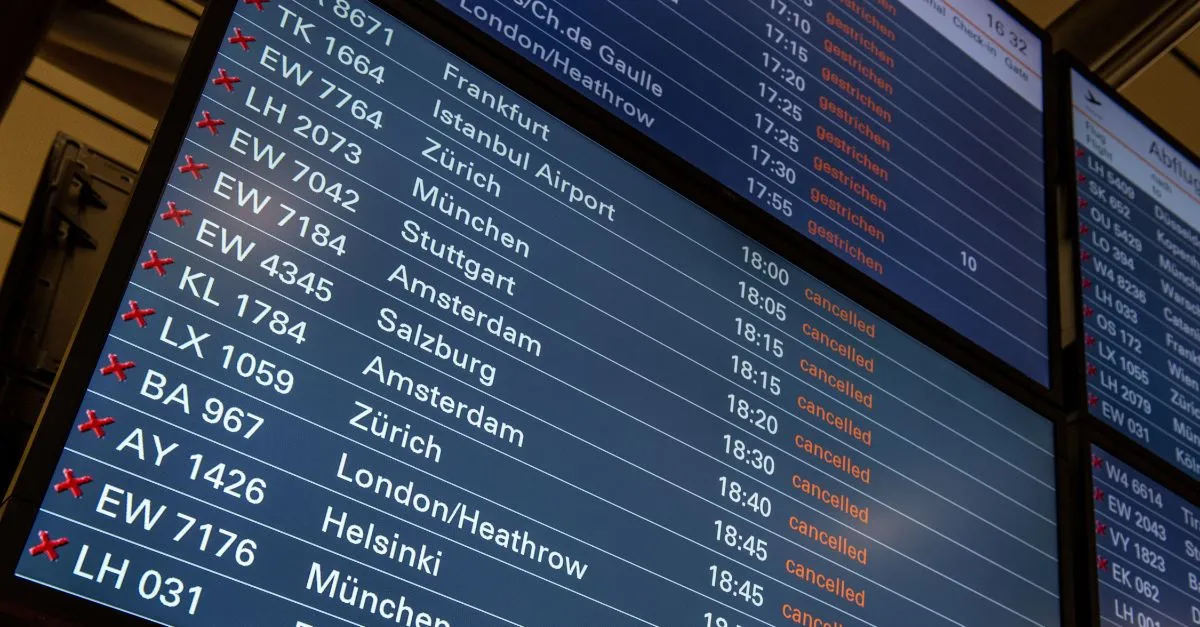
Europe could face jet fuel shortages within the coming weeks as disruption to Middle East supply routes continues to impact global aviation markets, according to the International Energy Agency (IEA).
Fatih Birol, Executive Director of the IEA, confirmed that Europe may have “maybe six weeks” of jet fuel remaining if supply disruptions persist.
The warning comes as the Strait of Hormuz remains largely closed following the outbreak of the Iran war on 28 February 2026, restricting a key export route for jet fuel from the Gulf and pushing prices higher.
The IEA said Europe relies on the Middle East for around 75% of its jet fuel imports. While countries are sourcing replacement supplies from markets including the US and Nigeria, these are expected to cover only around half of the lost volumes.
Jet fuel prices have surged since the start of the conflict, rising from around US$831 per tonne before the war to a peak of US$1,838 in early April 2026, before easing to about US$1,560, according to Bloomberg data.
In a statement, the European Commission said there was “no evidence of fuel shortages” in the European Union at present, but acknowledged there could be supply issues “in the near future”.
Airlines have already begun adjusting operations. EasyJet said it incurred US$25 million in additional fuel costs in March 2026, while KLM will cancel 160 flights across Europe in the coming month, citing rising costs.
RELATED:
Virgin Atlantic to cancel Riyadh service
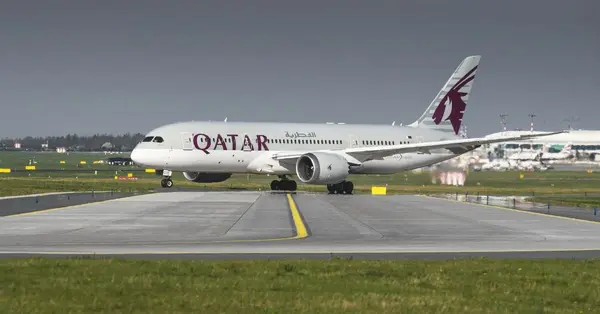
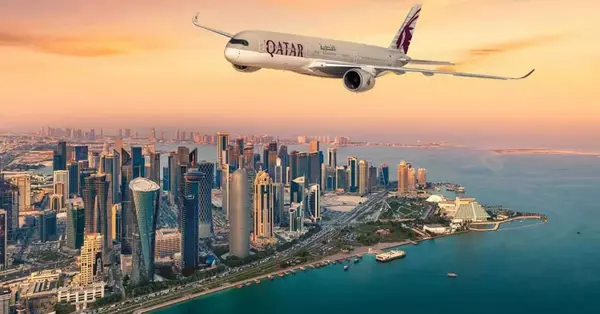
Qatar Airways to rebuild schedule from mid-May
Star Alliance adds first new member since 2014
The Airports Council International (ACI Europe) wrote to the European Commission warning the continent could face jet fuel shortages if the Strait of Hormuz does not reopen in the coming weeks.
The industry group Airlines for Europe has called on regulators to treat cancellations linked to fuel shortages or airspace closures as “extraordinary circumstances”, which would exempt carriers from compensation payments.
Fuel typically accounts for around 20% to 40% of airline operating costs, according to the International Air Transport Association (IATA), meaning sustained price increases are likely to affect fares, capacity and network planning ahead of the summer peak.
The impact is already visible across airline operations. Air travel in the Gulf has fallen sharply since the start of the conflict and is now recovering gradually, with carriers operating at more than 50% of pre-conflict schedules, according to Flightradar24 data.
Regional airlines have begun adjusting both pricing and customer policies in response. Qatar
Airways has extended its flexible booking policy for travel up to 15 June 2026, allowing free date changes with rebooking available until 31 October. Etihad has introduced similar measures, including flexible rebooking and reduced loyalty thresholds to help passengers retain or upgrade status.
For more information, visit www.iea.org
Trending












Jacobs Media is a company registered in England and Wales, company number 08713328. 3rd Floor, 52 Grosvenor Gardens, London SW1W 0AU
© 2025 Jacobs Media

