




You are viewing 1 of your 2 free articles
Iran conflict costing Middle East tourism sector US$600 million a day
Disruption across Gulf hubs hits global tourism flows and traveller demand, WTTC cautions
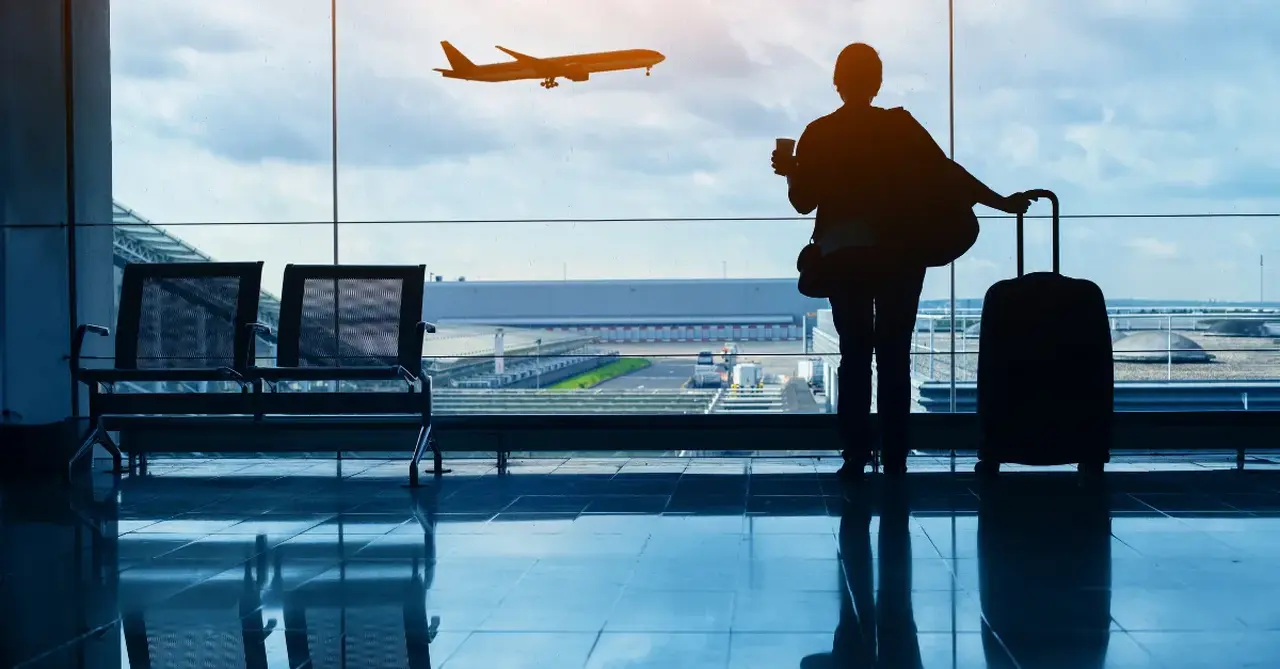
The ongoing conflict involving the US, Israel and Iran is dealing a heavy blow to the Middle East’s travel and tourism sector, with losses estimated at a minimum of US$600 million a day, according to new figures from the World Travel & Tourism Council (WTTC).
The escalating situation has disrupted air traffic, shaken traveller confidence and weakened regional connectivity, all of which are dampening international demand and impacting tourism economies far beyond the Middle East.
WTTC’s analysis is based on pre-conflict projections that forecast international visitor spending across the region to reach US$207 billion this year. Any interruption to travel flows “quickly translates into substantial economic impact across the tourism ecosystem”, the organisation said.
With the Middle East accounting for 5% of global international arrivals and 14% of all transit passengers worldwide, the ripple effects of disruption are global. Airports, airlines, accommodation providers, cruise lines and tour operators are all feeling the strain as flight cancellations and operational limits take hold.
Major regional aviation hubs, including Dubai, Abu Dhabi, Doha and Bahrain, typically handle around 526,000 passengers every day, but since the conflict erupted these vital transit points have faced severe operational challenges. Of the 58,500 flights scheduled to arrive or depart from the Middle East since 28 February, more than half (32,500) have been cancelled, according to Cirium, leaving millions of travellers stranded across the Gulf states and the wider region.
RELATED:
British Airways suspends flights to Abu Dhabi until later in 2026
Virgin Atlantic suspends Middle East services after safety assessments
How GCC airline passengers can claim flight compensation
While the immediate cost is substantial, WTTC’s research into past crises offers optimism. The council’s data shows that tourism demand can rebound within as little as two months, provided governments and tourism organisations act swiftly to restore traveller confidence.
WTTC continues to track developments closely on behalf of its members and is working with governments and industry leaders to safeguard travellers and support the long-term resilience of the global travel sector.
“Travel & Tourism is the most resilient of sectors,” said Gloria Guevara, President and CEO of WTTC.
“The impact of international visitor spending across the Middle East is significant and averages around US$600 million per day, but history shows that the sector can recover quickly, especially when governments support travellers through hotel support or repatriation.
She added: “WTTC commends governments who have worked tirelessly in recent days to support recovery efforts.
“Clear communication, strong co-ordination between the public and private sectors, and measures that reinforce safety and stability are critical to rebuilding trust with travellers and supporting the sector’s recovery.”
For more information, visit wttc.org
Trending










Related Content







Jacobs Media is a company registered in England and Wales, company number 08713328. 3rd Floor, 52 Grosvenor Gardens, London SW1W 0AU
© 2025 Jacobs Media

